
Site Protocols
Hygiene & Discipline
“Maintaining a dignified and healthy workspace for all
workforce members.”
Drinking Water
Provision of clean, potable water stations at accessible points.
Washroom Access
Ensuring usable, clean, and accessible sanitation facilities nearby.
Waste Management
Immediate segregation and removal of debris to keep aisles clear.
Food Safety
Designated eating areas away from work zones; no cooking on site.
Recommendations
Night Work
“Critical guidelines to ensure safety and efficiency during
extended working hours.”
Cut-off Timings
Strict adherence to pre-agreed venue closure times to prevent fatigue.
Lighting Standards
Minimum 200 lux illumination required for all active work zones.
Medical Readiness
Mandatory first-aid kits and on-call ambulance details for night shifts.
Fatigue Management
Shift rotation plans enforced to prevent exhaustion-related accidents.
Standards & Safety
Labour Safety (PPE)

PERSONAL PROTECTIVE EQUIPMENT
- Helmets & Safety Shoes: Mandatory for all personnel on-site during build-up
- Hi-Vis Vests: Required for visibility in high-traffic zones
- Gloves: Cut-resistant gloves for handling sharp materials
- Eye & Ear Protection: Mandatory for cutting, grinding, and noisy machinery work.
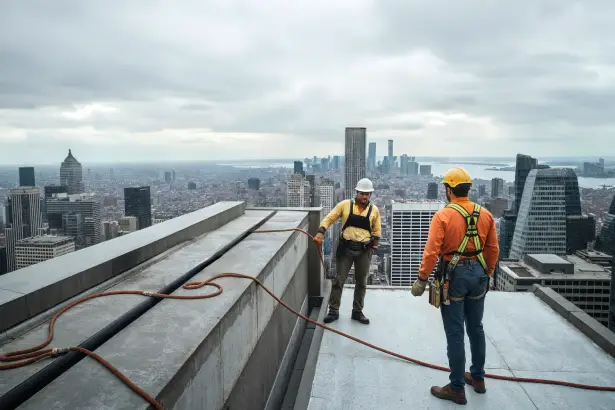
ABOVE 2 METERS PROTOCOLS
- Certified Scaffolds: Must meet ISO safety standards; no makeshift structures.
- Full Body Harnesses: Double-lanyard harnesses required for all height work.
- Fall Protection: Toe-boards on scaffolds and secured ladders.
- Supervision: Dedicated safety supervisor required for height activities.
Working at Height
Electrical Safety

ZERO-TOLERANCE POLICY
- Qualified Electricians: Only certified personnel permitted for wiring.
- Circuit Protection: Mandatory MCB/RCD (ELCB) for all distribution boards.
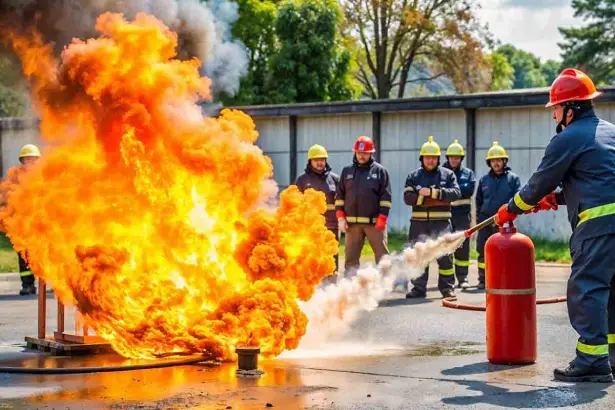
PREVENTION & READINESS
- Fire-Retardant: All fabrics, paints, and carpets must be FR certified.
- Extinguishers: 1 DCP/CO2 extinguisher required per 50sqm of stand area.
Fire & Materials
Night Work
“Critical guidelines to ensure safety and efficiency during extended working hours.”
Cut-off Timings
Strict adherence to pre-agreed venue closure times to prevent fatigue.
Lighting Standards
Minimum 200 lux illumination required for all active work zones.
Medical Readiness
Mandatory first-aid kits and on-call ambulance details for night shifts.
Fatigue Management
Shift rotation plans enforced to prevent exhaustion-related accidents.
Hygiene & Discipline
“Maintaining a dignified and healthy workspace for all workforce members.”
Drinking Water
Provision of clean, potable water stations at accessible points.
Washroom Access
Ensuring usable, clean, and accessible sanitation facilities nearby.
Waste Management
Immediate segregation and removal of debris to keep aisles clear.
Food Safety
Designated eating areas away from work zones; no cooking on site.